
Flight Dispatcher in Aviation: The Invisible Pilot on the Ground
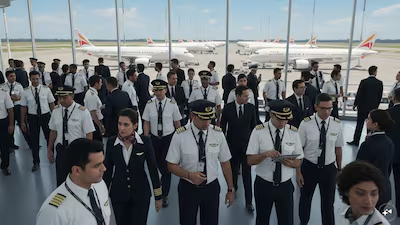
Aviation is one of the most complex and highly coordinated industries in the world. While pilots and cabin crew are the visible faces of airline operations, there is another critical professional working behind the scenes to ensure every flight is safe, legal, efficient, and on time — the Flight Dispatcher.
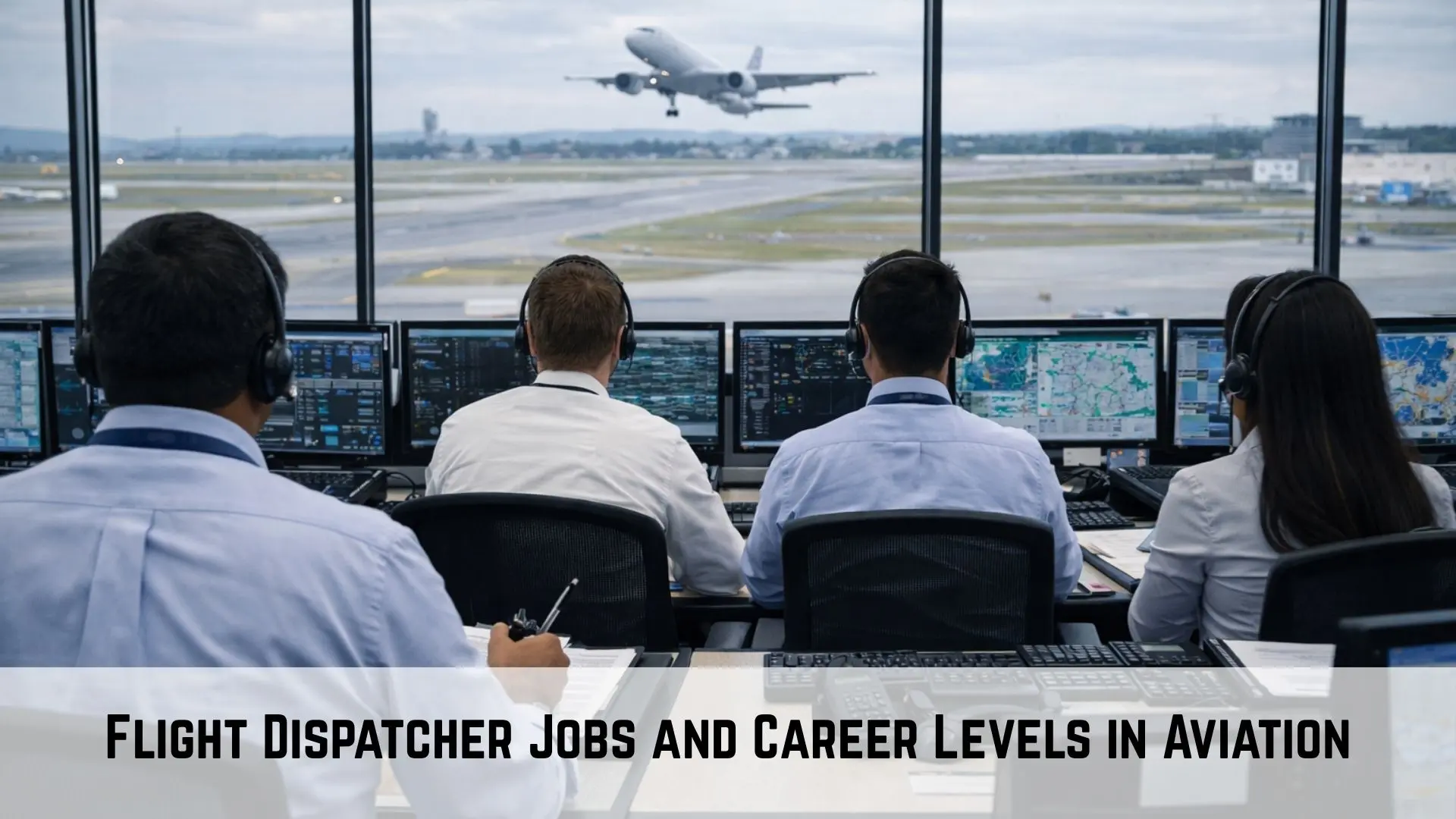
Often called the “pilot on the ground,” a flight dispatcher plays a vital operational role in commercial aviation. From monitoring weather systems and planning routes to calculating fuel requirements and responding to emergencies, dispatchers are central to airline safety and operational success.
This blog explores the world of flight dispatching in detail — including responsibilities, qualifications, work environment, tools, challenges, and career opportunities.
What is a Flight Dispatcher?
A Flight Dispatcher is a licensed aviation professional responsible for planning and monitoring flights. Dispatchers work closely with pilots before and during a flight to ensure operations are conducted safely and efficiently.
In many countries, especially under regulations from aviation authorities like the FAA (Federal Aviation Administration) or DGCA (Directorate General of Civil Aviation), dispatchers share operational control with the captain.
This means both the pilot and dispatcher are jointly responsible for the safety and legality of the flight.
The Role of a Flight Dispatcher
Flight dispatchers are involved in every stage of flight operations except physically flying the aircraft.
Their responsibilities include:
-
Flight planning
-
Route optimization
-
Weather analysis
-
Fuel calculations
-
Weight and balance coordination
-
Monitoring flights in real time
-
Handling operational emergencies
-
Coordinating with ATC, airports, and maintenance teams
A dispatcher’s decisions directly impact:
-
Flight safety
-
Fuel efficiency
-
Passenger comfort
-
Operational costs
-
On-time performance
Why Flight Dispatchers are Important
Modern airline operations involve thousands of variables:
-
Rapidly changing weather
-
Air traffic congestion
-
Airport closures
-
Technical issues
-
Fuel cost management
-
International regulations
Pilots cannot manage all this alone while preparing to operate an aircraft safely.
Flight dispatchers provide critical ground support by analyzing data and making operational decisions that improve safety and efficiency.
Without dispatchers, airline operations would become significantly more difficult and less coordinated.
Main Responsibilities of a Flight Dispatcher
1. Flight Planning
One of the primary duties is preparing a detailed flight plan.
This includes:
-
Determining the best route
-
Calculating flying time
-
Estimating fuel requirements
-
Identifying alternate airports
-
Considering airspace restrictions
The dispatcher must ensure the flight complies with all aviation regulations.
2. Weather Analysis
Weather is one of the biggest factors affecting aviation safety.
Dispatchers continuously monitor:
-
Thunderstorms
-
Turbulence
-
Winds aloft
-
Icing conditions
-
Fog
-
Cyclones
-
Volcanic ash
-
Low visibility
Based on weather conditions, they may:
-
Change routes
-
Delay departures
-
Add extra fuel
-
Recommend alternate airports
3. Fuel Planning
Fuel planning is both a safety and economic responsibility.
Dispatchers calculate:
-
Trip fuel
-
Contingency fuel
-
Alternate fuel
-
Holding fuel
-
Extra fuel for weather or delays
Too little fuel is dangerous. Too much fuel increases aircraft weight and operating costs.
Balancing safety and efficiency is a key skill.
4. Flight Monitoring
Once the aircraft departs, dispatchers continue monitoring the flight in real time.
They track:
-
Aircraft position
-
Weather changes
-
Diversions
-
Delays
-
Technical issues
-
Air traffic restrictions
If a problem occurs, dispatchers coordinate solutions with the flight crew.
5. Emergency Support
During emergencies, dispatchers become part of the airline’s operational response team.
Examples include:
-
Medical emergencies
-
Engine failures
-
Weather diversions
-
Airport closures
-
Security threats
Dispatchers help pilots make informed decisions quickly.
6. Operational Coordination
Flight dispatchers communicate with multiple departments:
-
Air Traffic Control (ATC)
-
Airport operations
-
Ground handling
-
Maintenance control
-
Crew scheduling
-
Meteorological services
Strong communication is essential.
Skills Required to Become a Flight Dispatcher
A successful dispatcher needs a combination of technical knowledge, analytical thinking, and calm decision-making.
Technical Skills
-
Aviation meteorology
-
Navigation
-
Aircraft performance
-
Flight planning systems
-
Air law and regulations
-
Fuel management
Soft Skills
-
Communication
-
Situational awareness
-
Time management
-
Stress management
-
Decision-making
-
Team coordination
Educational Requirements
The educational path varies by country and airline.
Typically, candidates need:
-
High school diploma or equivalent
-
Aviation-related training
-
Dispatcher certification/license
Some airlines prefer candidates with:
-
Aviation degrees
-
Pilot training background
-
Air traffic control experience
-
Airline operations knowledge
Flight Dispatcher Certification
In India
Under the DGCA system, dispatchers may work as:
-
Flight Dispatch Officers (FDO)
-
Flight Operations Officers (FOO)
Training includes:
-
Aviation regulations
-
Meteorology
-
Navigation
-
Aircraft systems
-
Flight planning
Many airlines conduct additional internal training programs.
Difference Between a Pilot and a Flight Dispatcher
| Pilot | Flight Dispatcher |
|---|---|
| Operates the aircraft | Plans and monitors flights |
| Works in cockpit | Works in operations control center |
| Handles in-flight control | Handles operational coordination |
| Focuses on aircraft operation | Focuses on flight safety and efficiency |
| Physically flies the aircraft | Supports the flight from the ground |
They work as a team.
A Day in the Life of a Flight Dispatcher
A dispatcher’s shift may involve handling dozens of flights.
Typical workflow:
Before Departure
-
Review weather reports
-
Analize NOTAMs
-
Prepare flight plans
-
Calculate fuel
-
Coordinate with pilots
During Flight
-
Monitor aircraft progress
-
Watch weather developments
-
Communicate updates
-
Manage disruptions
After Landing
-
Review operational performance
-
Prepare reports if needed
-
Coordinate turn around operations
Technology Used by Flight Dispatchers
Modern dispatch centers use advanced systems such as:
-
Flight planning software
-
Satellite tracking systems
-
Weather radar tools
-
Aircraft performance databases
-
NOTAM systems
-
Operational control software
These technologies help dispatchers make accurate and timely decisions.
Challenges Faced by Flight Dispatchers
The role can be highly demanding.
Common Challenges
1. Weather Disruptions
Severe weather can affect multiple flights simultaneously.
2. Time Pressure
Decisions often must be made quickly.
3. Operational Delays
Airport congestion and technical problems require rapid adjustments.
4. Stress Management
Dispatchers handle high-pressure situations daily.
5. 24/7 Operations
Airlines operate around the clock, so dispatchers work shifts, nights, weekends, and holidays.
Career Opportunities in Flight Dispatch
Flight dispatching offers strong career growth opportunities.
Possible career paths include:
-
Senior Dispatcher
-
Operations Controller
-
Duty Manager
-
Network Operations Manager
-
Airline Operations Director
-
Aviation Safety Specialist
Some dispatchers later transition into:
-
Pilot careers
-
Aviation management
-
Air traffic operations
-
Safety investigation roles
Salary Expectations
Salaries vary depending on country, airline, and experience.
Factors affecting salary include:
-
Airline size
-
International vs domestic operations
-
Technical expertise
-
Licensing level
-
Shift responsibilities
Dispatchers at major international airlines typically earn competitive salaries with additional operational benefits.
Advantages of Being a Flight Dispatcher
Exciting Work Environment
Every day is different.
Critical Role in Safety
Dispatchers directly contribute to flight safety.
Strong Aviation Career
It provides entry into airline operations and management.
Team-Oriented Profession
Dispatchers work closely with pilots and operational teams.
Dynamic Industry
Aviation constantly evolves with new technology and regulations.
Disadvantages of the Profession
-
Shift work can affect personal life
-
High responsibility and stress
-
Operational pressure during disruptions
-
Continuous learning requirements
Despite the challenges, many professionals find the role highly rewarding.
Future of Flight Dispatching
The aviation industry is rapidly evolving.
Future developments include:
-
Artificial intelligence in flight planning
-
Advanced weather prediction systems
-
Real-time operational analytics
-
Increased automation
-
Sustainable fuel optimization
However, human judgment remains essential, especially during emergencies and complex operational scenarios.
Flight dispatchers will continue to play a major role in airline safety and operational decision-making.
How to Become a Flight Dispatcher
Step 1: Learn About Aviation
Develop a strong understanding of aviation fundamentals.
Step 2: Complete Dispatcher Training
Join an approved dispatcher or FOO training program.
Step 3: Obtain Certification
Pass required exams and licensing procedures.
Step 4: Gain Experience
Start with airline operations or dispatch support roles.
Step 5: Continue Learning
Stay updated with regulations, aircraft systems, and technology.
Conclusion
Flight dispatchers are among the most important yet least recognized professionals in aviation. They serve as the operational backbone of airlines, ensuring flights are planned, monitored, and executed safely and efficiently.
While passengers may never see them, dispatchers influence nearly every aspect of a flight — from route selection and fuel planning to weather avoidance and emergency response.
As aviation continues to grow and technology advances, the role of the flight dispatcher will become even more sophisticated and essential.
For individuals passionate about aviation but not necessarily interested in becoming pilots, flight dispatching offers an exciting, respected, and highly responsible career path in the airline industry.